

Show Hide the summary
- The Birth of a Pan-European Digital Identity
- Privacy and Control: The Cornerstones of EU’s Digital Wallet
- A Swiss Army Knife for Digital Life
- The Road to 2026: Implementing the Digital Revolution
- Challenges and Opportunities on the Horizon
- Technical Integration
- User Adoption
- Security Concerns
- Legal Framework
- Economic Impact
- The Global Implications of Europe’s Digital Identity Push
- A Model for Other Regions?
- Impact on Tech Giants
- Cross-Border Collaboration
- Preparing for the Digital Identity Future
- For Individuals:
- For Businesses:
- The Dawn of a New Digital Era in Europe
The European Union is on the brink of a digital transformation that will reshape how citizens interact with governments, businesses, and services across the continent.
On November 28, 2024, the European Commission unveiled groundbreaking rules for a standardized digital identity wallet, marking a pivotal moment in the EU’s journey towards a unified digital future.
This ambitious project aims to put control back in the hands of citizens while reducing reliance on tech giants like Apple and Google.
As we stand on the cusp of this digital revolution, let’s examine what the European digital identity wallet means for the 447 million EU citizens and how it’s set to redefine online identity by the close of 2026.
The Birth of a Pan-European Digital Identity
The European Commission’s announcement signals the culmination of years of planning and negotiation. The adopted rules lay the foundation for the European digital identity framework, setting out the core functionalities and certification requirements for what’s being called the eID wallet.
This framework is designed with a clear vision: to create a standardized digital wallet that works seamlessly across all EU member states. Imagine using a French digital ID app to access services in Germany or opening a bank account in Spain with your Italian digital credentials. This level of interoperability is at the heart of the EU’s digital strategy.
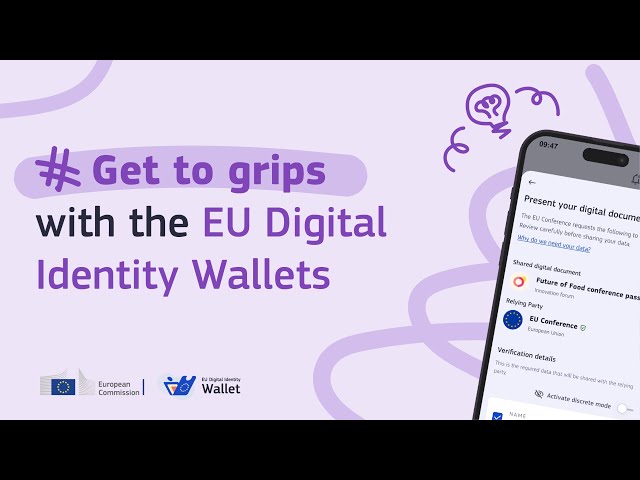
Privacy and Control: The Cornerstones of EU’s Digital Wallet
In an era where data privacy concerns are at an all-time high, the EU has placed user control at the forefront of its digital wallet design. The framework includes a groundbreaking “zero tracking” guarantee, ensuring that users have complete authority over their data sharing.
To further enhance privacy, the EU has mandated local data storage. This means your sensitive information won’t be floating in some distant cloud server but will be securely stored on your own device. It’s a bold move that sets the EU’s approach apart from many existing digital identity solutions.
A Swiss Army Knife for Digital Life
The European digital wallet is designed to be far more than just an ID card on your phone. It’s envisioned as an extensive tool for navigating modern life. Here’s a glimpse of what you’ll be able to do with your EU digital wallet:
- Carry your identity card digitally, accessible anytime, anywhere
- Store and present your driver’s license without the need for a physical card
- Make online payments with enhanced security and simplicity
- Open bank accounts across the EU with minimal paperwork
- Keep a digital record of your educational qualifications, from diplomas to certificates
- Manage medical prescriptions digitally for easier access to healthcare
- Store your European Health Insurance Card for seamless healthcare access across the EU
- Simplify mobile plan purchases directly through your smartphone
- Sign contracts digitally with legal validity across the EU
- Store travel documents like train and plane tickets, as well as hotel reservations
This multifunctional approach aims to simplify daily tasks and cross-border activities. Whether you’re renting a car in a different EU country or need to verify your age for a purchase, the digital wallet will have you covered.
The Road to 2026: Implementing the Digital Revolution
The European Union has set an ambitious yet realistic timeline for the rollout of these digital wallets. Member states have been given a two-year window to develop and deploy their versions of the eID wallet, with the goal of full implementation across the EU by the end of 2026.
This timeline reflects the complexity of the task at hand. Each country must adapt the framework to its existing systems while ensuring compatibility with other EU nations. It’s a delicate balance of national sovereignty and European unity, played out in the digital field.
Challenges and Opportunities on the Horizon
As with any major technological shift, the path to a unified European digital wallet is not without its challenges. Here are some of the key hurdles and opportunities that lie ahead:
Technical Integration
One of the biggest challenges will be ensuring that all member states’ systems can communicate effectively. This requires not just technical prowess but also diplomatic finesse to agree on common standards and protocols.
User Adoption
For the digital wallet to succeed, it needs widespread adoption. This means not only creating a user-friendly interface but also educating the public about the benefits and security measures of the new system.
Security Concerns
With so much sensitive information in one place, security is paramount. The EU will need to implement robust safeguards to protect against hacking and identity theft, while also maintaining the promise of user privacy.
Legal Framework
The introduction of a digital wallet that works across borders raises complex legal questions. How will disputes be resolved? Which country’s laws apply in case of a security breach? These are just a few of the legal challenges that need to be addressed.
Economic Impact
The digital wallet has the potential to streamline many economic activities, from e-commerce to banking. This could lead to significant economic benefits but may also disrupt existing industries and business models.
The Global Implications of Europe’s Digital Identity Push
The EU’s move towards a unified digital wallet is not happening in isolation. It’s part of a global trend towards digital identity solutions, and Europe’s approach could set a precedent for other regions.
A Model for Other Regions?
If successful, the EU’s digital wallet could become a blueprint for other economic blocs or countries looking to implement similar systems. The focus on privacy and user control could be particularly influential in shaping global standards for digital identity.
Impact on Tech Giants
The EU’s initiative is explicitly aimed at reducing dependency on large tech companies for digital identity and payment solutions. This could lead to increased competition and innovation in the digital identity space, potentially challenging the dominance of players like Apple Pay and Google Wallet.
Cross-Border Collaboration
As the EU works to make its digital wallet interoperable across member states, it may also pave the way for broader international collaboration on digital identity standards. This could facilitate smoother international travel and commerce in the long term.
Preparing for the Digital Identity Future
As we approach the 2026 deadline for full implementation, there are steps that both individuals and businesses can take to prepare for the arrival of the EU digital wallet:
For Individuals:
- Stay informed about the development and rollout of the digital wallet in your country
- Be prepared to update your digital skills to make the most of the new system
- Consider the implications for your personal data management and digital security practices
For Businesses:
- Start planning for how to integrate the EU digital wallet into your services and customer interactions
- Assess the potential impact on your current identity verification and payment processes
- Consider the opportunities for new services or business models that the digital wallet might enable
The Dawn of a New Digital Era in Europe
The European Union’s digital wallet initiative represents more than just a technological upgrade; it’s a bold statement about the future of digital identity and citizenship in the 21st century. By prioritizing user control, privacy, and cross-border functionality, the EU is setting a new standard for how individuals interact with digital services and government systems.
As we move closer to the 2026 implementation deadline, the success of this project will depend on the collaborative efforts of governments, tech companies, and citizens across Europe. If successful, it could mark the beginning of a new era of digital empowerment, where identity is both more secure and more versatile than ever before.
The journey towards a unified European digital identity is just beginning, and its impact will likely be felt far beyond the borders of the EU. As the project unfolds, it will be fascinating to see how it shapes the future of digital interaction, not just in Europe, but around the world.
